
Corporate Life Insurance Planning

Corporate Life Insurance Planning: Protect, Reward, and Plan for the Future

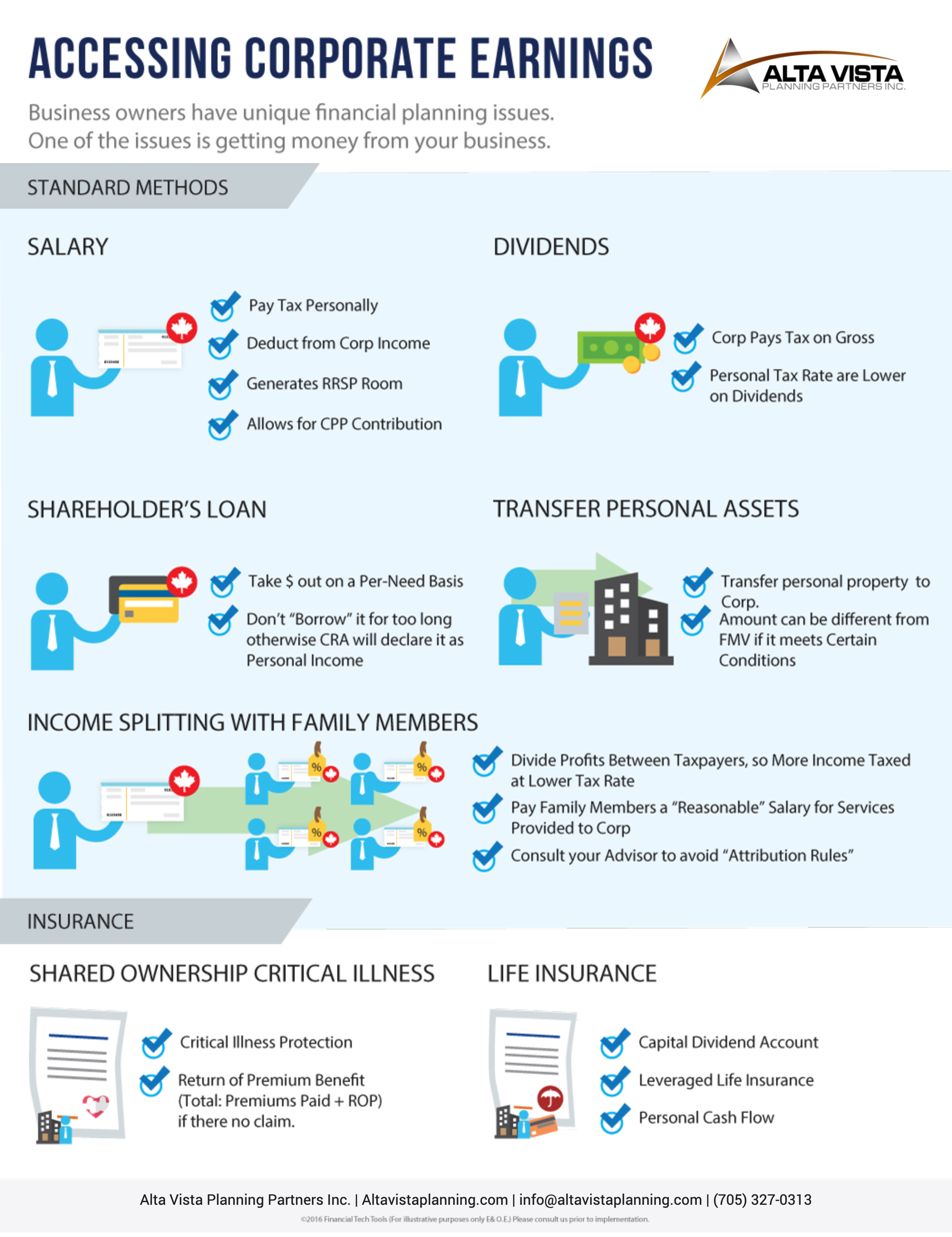
Running a business in often means wearing multiple hats—owner, leader, and long-term planner. But have you ever thought about what happens if you or a key person in your company passes away unexpectedly? Or how you might use your corporation to support retirement, reward top talent, or prepare for taxes when transitioning ownership?

Corporate life insurance is one of the most flexible and underused tools available to business owners. It helps protect your company, reduce taxes, and build lasting value—both during your working years and when it’s time to pass the business on.

Let’s look at how business owners are using corporate-owned life insurance to protect their companies and their families while preparing for the future.

brandableContent

Succession Planning: Make Transitions Smooth and Tax-Smart

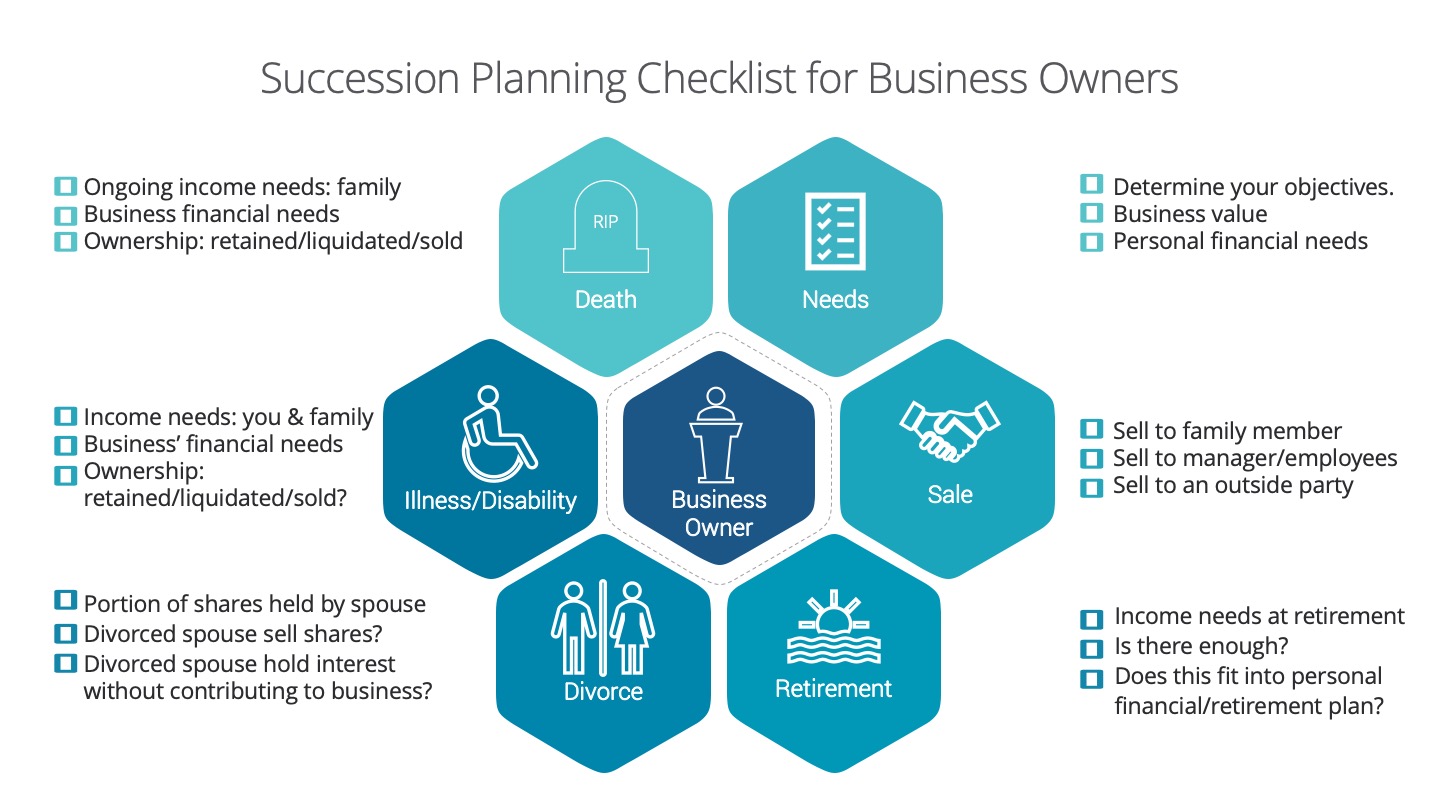
For many business owners, their company is one of their largest assets. But passing it on—whether to family or a partner—comes with major financial challenges. Life insurance can help.

Funding a Buy-Sell Agreement

If you have a business partner, a buy-sell agreement ensures that if one of you passes away, the other can buy the shares from the deceased’s estate. The problem? That buyout requires cash—often hundreds of thousands, if not millions. Life insurance is a cost-effective way to fund that agreement, so ownership stays in the right hands without putting a strain on the business or the family.

Covering Final Taxes and Capital Gains

When a business owner dies, the Canada Revenue Agency treats it as if they sold their shares—even if they didn’t. This “deemed disposition” creates a tax bill that can surprise even the most prepared families. Life insurance provides a tax-free lump sum that the corporation can use to cover this cost, helping preserve the value of the business and avoid selling off assets under pressure.

Estate Equalization

If you plan to leave the business to one child but want to treat your other children fairly, life insurance can help. The business goes to the child who’s involved, while other beneficiaries receive the life insurance proceeds. It’s a clean, tax-efficient way to avoid family conflict and keep the business whole.

Executive Compensation: Attract and Retain Top Talent

In a competitive hiring environment, offering the right benefits can make all the difference. Life insurance isn’t just about protection—it can be a powerful way to reward and retain your most valuable people.

Executive Compensation Strategies

Life insurance can be part of a compensation package that rewards top performers, especially those who are key to the company’s success. Whether structured as a bonus plan or part of a long-term incentive, this can be a powerful way to align goals and build loyalty.

Supplementing Retirement

Permanent life insurance policies—such as whole life or universal life—can accumulate cash value over time. This cash value grows tax-deferred and can later be accessed through policy loans or collateralized lending. For business owners and executives, this provides an additional, flexible income source in retirement, especially when RRSP and TFSA contribution limits have already been reached. It allows the corporation to efficiently use surplus cash while providing long-term financial flexibility and security.

Tax-Sheltered Wealth Accumulation

The cash value inside a permanent life insurance policy grows on a tax-deferred basis. When a corporation owns the policy, this growth can be especially strategic. It allows the business to use surplus cash to build value in a tax-efficient way, diversify beyond traditional investments, and potentially access funds later with fewer tax consequences. This approach is particularly useful for businesses with retained earnings that would otherwise be subject to higher corporate tax rates.

Business Continuity: Protect What You’ve Built

An unexpected death can do more than cause emotional pain—it can disrupt operations, shake client confidence, and even put the business at risk. Insurance helps ensure your company can keep going.

Key Person Protection

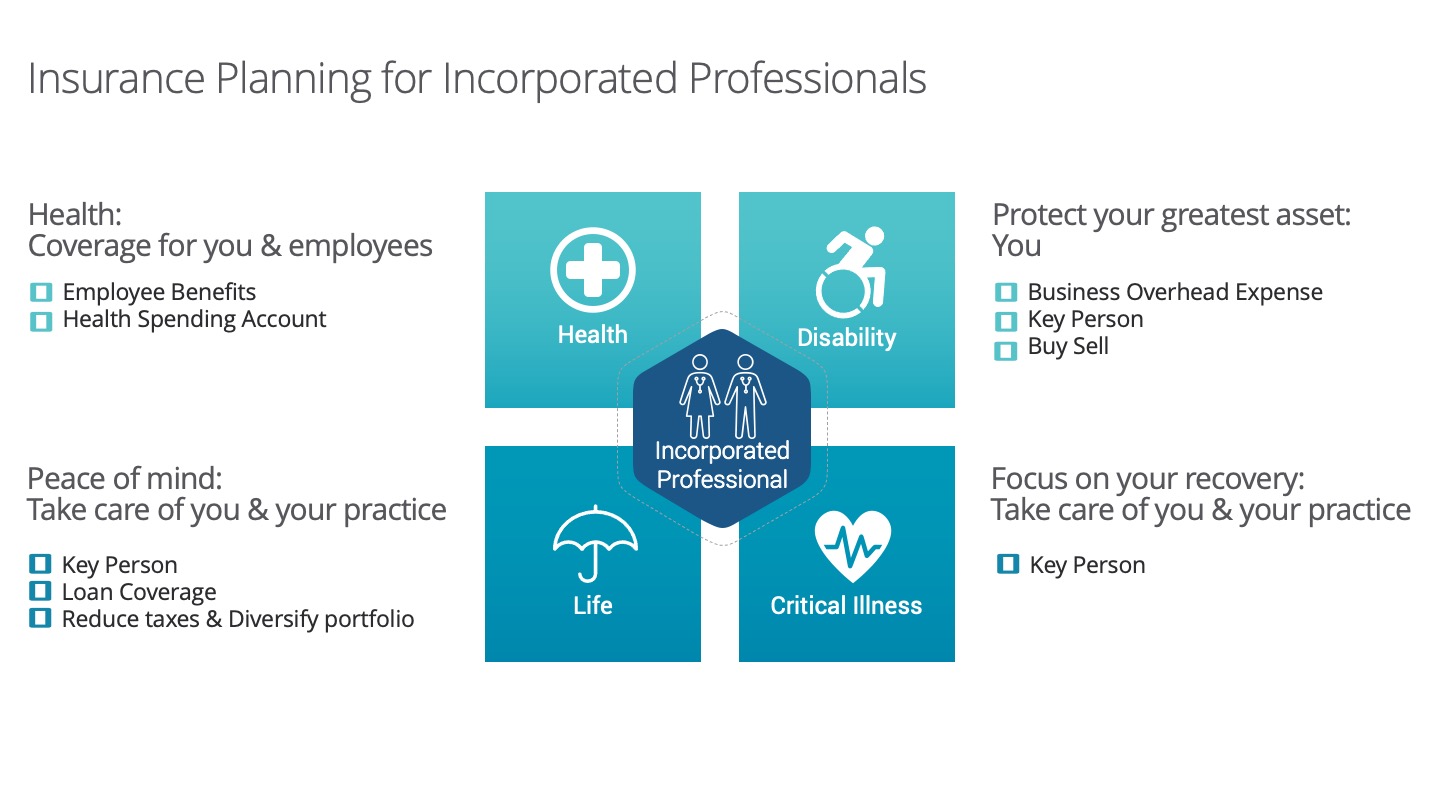
If you or someone else is essential to the day-to-day success of your business, losing that person could be a major financial blow. A life insurance policy on that individual can help the business recover, cover short-term losses, and fund the search for a replacement.

Business Loan Protection

Many lenders require insurance on owners or key executives as a condition of financing. If that person passes away, life insurance ensures the loan is paid off, protecting both the lender and the company’s assets. It can also unlock better lending terms and help avoid personal guarantees.

Charitable Giving Through the Corporation

For business owners looking to give back, corporate life insurance can also be used to support charitable causes. The business can own a policy and name a charity as the beneficiary—creating a lasting impact while offering potential tax benefits.

Bringing It All Together

Corporate life insurance isn’t just about “what if”—it’s about building a stronger, more resilient business and unlocking smart ways to manage wealth inside your company. Whether you’re focused on succession, rewarding your team, or protecting operations, insurance can help you take action today that pays off for years to come.

If you haven’t reviewed your corporate insurance strategy recently, now’s a great time to take a fresh look.

Disclaimer: This article is for informational purposes only and does not constitute financial, legal, or tax advice. Always consult a qualified professional regarding your specific situation. We are not responsible for any actions taken based on this content.

What Is Life Insurance and How Does It Work?

What Is Life Insurance and How Does It Work?

Have you ever wondered what would happen to your family’s finances if you were no longer here? It’s not an easy thought. But it is an important one. Life insurance is designed to protect the people you care about most if something unexpected happens.

Many people avoid this topic because it feels uncomfortable or confusing. The good news is that life insurance is actually quite simple once you break it down.

What Is Life Insurance?

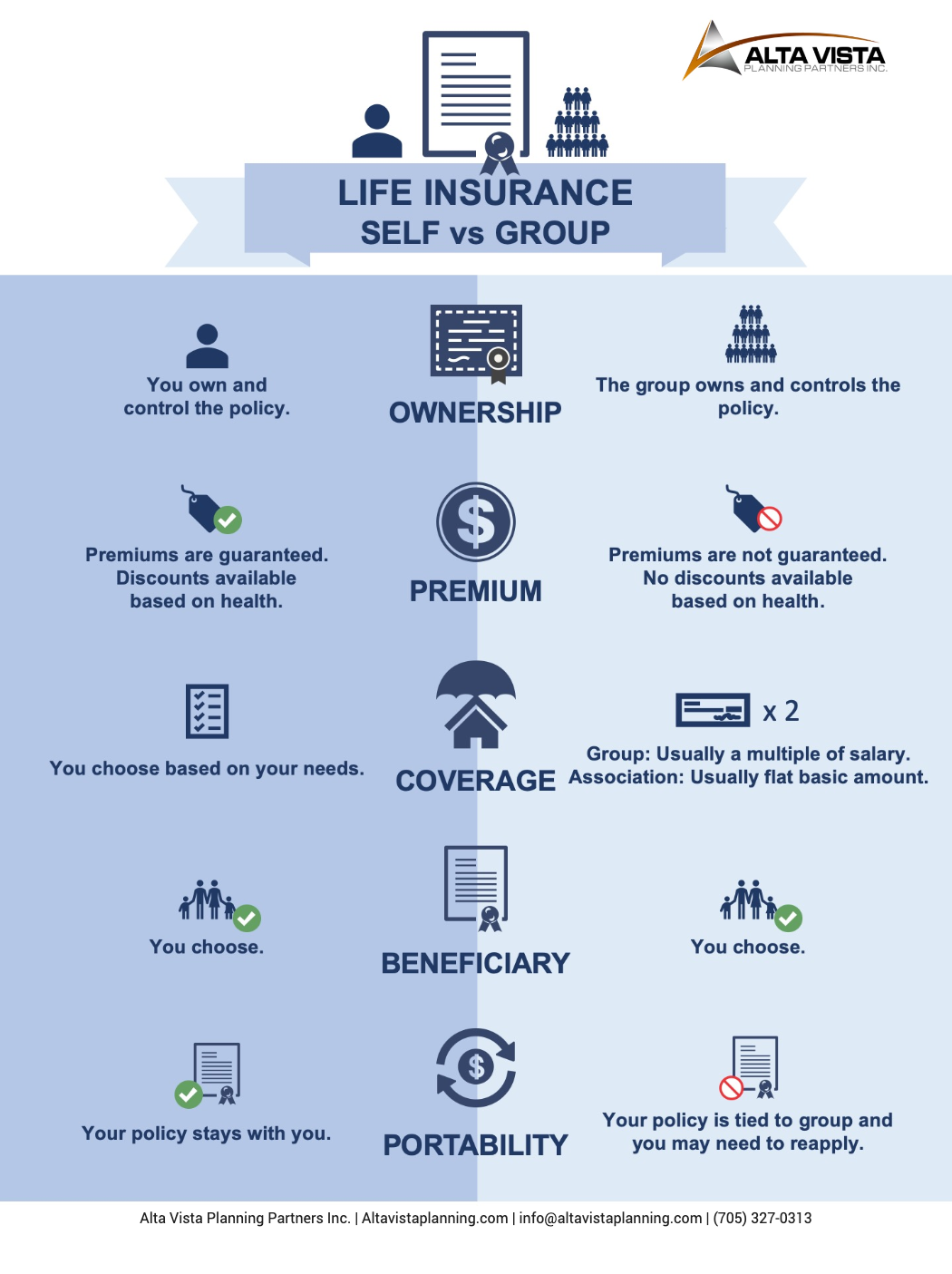
Life insurance is a contract between you and an insurance company. You pay a regular payment called a premium. In return, the insurance company agrees to pay a lump sum of money to someone you choose (your beneficiary) if you pass away.

That lump sum is called a death benefit. In most cases, it is paid tax-free to your beneficiary.

Think of life insurance like a safety net. You hope it is never needed. But if it is, it can help your family stay financially stable during a very difficult time.

Millions of Canadians have some form of life insurance coverage. For many families, it plays an important role in protecting income and covering large expenses.

How Does Life Insurance Work?

The process is straightforward.

First, you apply for coverage. The insurance company reviews details such as your age, health, lifestyle, and sometimes your occupation. This helps them decide your premium and whether you qualify.

Once approved, you begin paying premiums. As long as you keep paying, your coverage remains active.

If you pass away while the policy is active, your beneficiary files a claim. The insurance company reviews the claim and then pays out the death benefit.

Your beneficiary can use the money for any purpose, such as:

  • Paying off a mortgage

  • Covering funeral expenses

  • Replacing lost income

  • Paying off debt

  • Supporting children’s education

The goal is to reduce financial stress at a time when your family is already dealing with emotional loss.

The Two Main Types of Life Insurance

Most people choose between two main types of coverage: term life insurance and permanent life insurance.

Term Life Insurance

Term life insurance covers you for a set period of time, such as 10, 20, or 30 years.

It is usually the most affordable option, especially for young families. If you pass away during the term, the policy pays out. If the term ends and you are still living, the coverage ends unless you renew it.

Term insurance works well for temporary needs. For example:

  • Protecting your income while your children are young

  • Covering a mortgage while the balance is high

  • Replacing income during your working years

It is simple and focused on protection.

Permanent Life Insurance

Permanent life insurance covers you for your entire lifetime, as long as premiums are paid.

It also includes a savings feature called cash value. Over time, this value can grow on a tax-deferred basis.

Permanent coverage is usually more expensive than term coverage. However, it can support longer-term goals such as:

  • Covering final expenses

  • Leaving money to family or a charity

  • Helping manage taxes at death

  • Supporting estate planning goals

The right type of coverage depends on your needs, timeline, and budget.

How Much Coverage Do You Need?

This is one of the most common questions people ask.

A good starting point is to ask: If I were gone tomorrow, what financial gap would my family face?

You may want to consider:

  • Your mortgage balance

  • Other debts

  • Ongoing living expenses

  • Childcare costs

  • Future education expenses

  • Final expenses

Some people use a simple guideline like 10 times their annual income. But that is only a starting point. Your personal situation matters more than any rule of thumb.

For example, someone with no dependents and little debt may need very little coverage. A household with young children and a large mortgage may need much more.

The goal is to match coverage with real responsibilities.

Is Life Insurance Expensive?

Many people assume life insurance costs more than it does. In reality, term coverage can be very affordable, especially if you are young and in good health.

Your premium is based on factors such as:

  • Age

  • Health history

  • Smoking status

  • Coverage amount

  • Type of policy

The younger and healthier you are when you apply, the lower your premium is likely to be.

Waiting can increase the cost. Health can change over time. Securing coverage earlier can help lock in lower rates.

Who Should Consider Life Insurance?

Life insurance is not necessary for everyone. But it is important for many people.

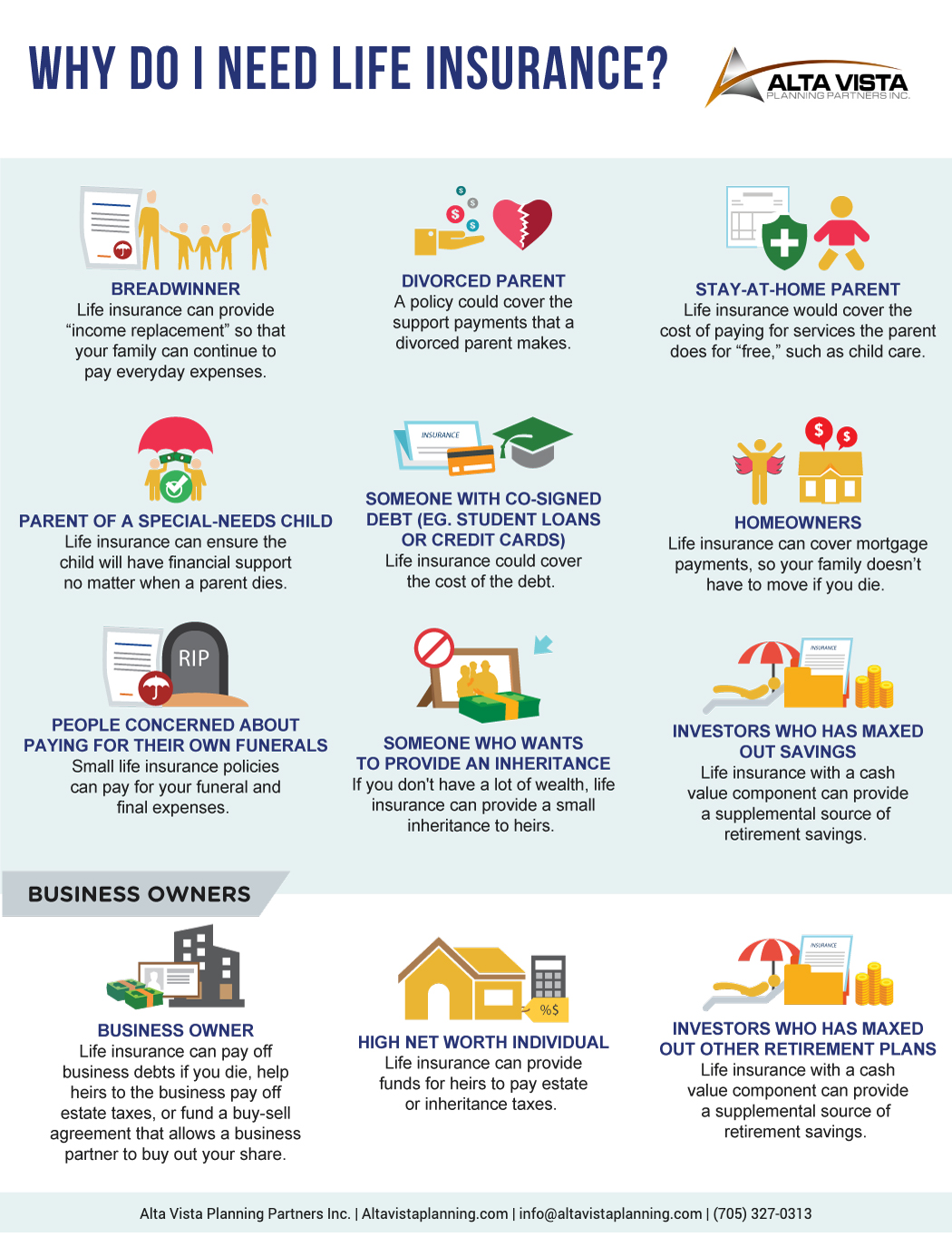
You may want to consider coverage if:

  • Someone depends on your income

  • You share debts with a partner

  • You have children

  • You own a home

  • You want to leave money behind for loved ones

Even stay-at-home parents may need coverage. If they were not there, the cost of childcare and household support could be significant.

In Canada, life insurance benefits are generally paid tax-free to beneficiaries. This helps ensure that the full amount can be used for its intended purpose.

Final Thoughts

Life insurance is a practical tool. It helps protect the people you care about from financial hardship if something unexpected happens. It can provide stability, cover major expenses, and support your family’s future.

If you are unsure whether you need coverage, start by reviewing who depends on you and what financial responsibilities you carry. A short conversation can bring clarity and peace of mind.

If you would like to explore how life insurance fits into your overall strategy, I would be happy to guide you through the options and help you make an informed decision.

This is for informational purposes only and does not constitute financial, legal, or tax advice. Always consult a qualified professional regarding your specific situation. We are not responsible for any actions taken based on this content.