2025 Federal Budget Highlights

2025 Federal Budget Highlights

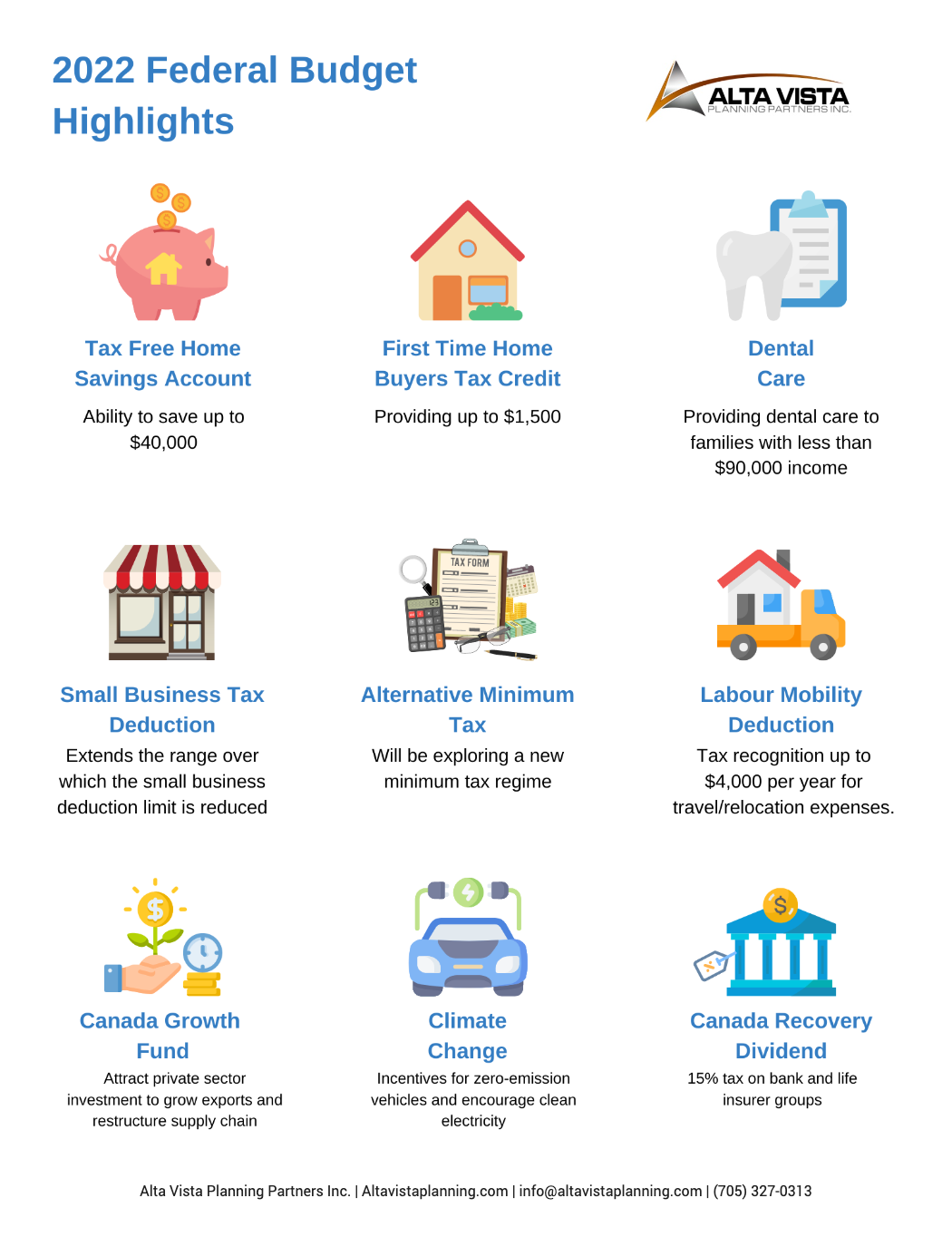
On November 4, 2025, the budget was delivered by the Honourable François-Philippe Champagne, Minister of Finance and National Revenue.

The 2025 Federal Budget focuses on stability, simplicity, and long-term growth. There are no broad tax increases or major new spending programs. Instead, the government is emphasizing restraint, modernization, and productivity.

For individuals and business owners, the goal is clear: help Canadians access benefits more easily, encourage investment in innovation and clean energy, and update trust and estate rules to maintain fairness across the system.

Economic Overview

Canada’s federal deficit is projected at $78.3 billion for 2025–26. The government aims to stabilize the debt-to-GDP ratio while maintaining funding for priorities such as housing, defence, and clean energy.

Spending will focus on programs that improve productivity, while efficiency reviews across departments are expected to reduce overlap and administrative costs. This marks a shift toward sustainable fiscal management and practical, targeted investments.

Personal and Family Tax Measures

Several measures are designed to make life more affordable, particularly for first-time home buyers, caregivers, and lower-income households.

Eliminating the GST for First-Time Home Buyers

First-time home buyers will not pay the 5 percent federal GST on new homes priced up to $1 million. For new homes between $1 million and $1.5 million, a partial GST reduction applies. This change provides meaningful savings and makes new construction more accessible for Canadians entering the housing market.

Home Accessibility Tax Credit

Starting in 2026, expenses can no longer be claimed under both the Home Accessibility Tax Credit and the Medical Expense Tax Credit. The rule prevents duplicate claims but continues to support renovations that make homes safer and more accessible for seniors or individuals with disabilities.

Top-Up Tax Credit

To balance the reduction in the lowest federal tax bracket—from 15 percent to 14.5 percent in 2025, and 14 percent in 2026—the government introduced a Top-Up Tax Credit to preserve the value of non-refundable credits such as tuition, medical, and charitable amounts. This temporary measure, available from 2025 through 2030, ensures Canadians receive the same credit value even as rates decrease.

Personal Support Workers (PSW) Tax Credit

A new refundable tax credit equal to 5 percent of eligible income, up to $1,100 per year, will be available for certified personal support workers beginning in 2026. The measure acknowledges the importance of care professionals and provides direct relief to those in long-term and community-care roles.

Automatic Federal Benefits

Starting in 2025, the Canada Revenue Agency will begin automatically filing simple tax returns for eligible Canadians who do not normally file. This will allow low-income earners and seniors to receive benefits such as the Canada Workers Benefit, GST/HST Credit, and Canada Carbon Rebate automatically. Those with more complex financial situations will continue to file regular returns.

Registered Plans, Trusts, and Estate Planning

The budget introduces several changes affecting trusts and registered plans—key tools in long-term financial and estate planning.

Bare Trust Reporting Rules

Implementation of new bare trust reporting requirements has been delayed. The rules will now apply to taxation years ending December 31, 2026, or later. This postponement gives individuals, trustees, and professionals more time to prepare for the new filing obligations.

The 21-Year Rule for Trusts

Trusts—particularly most personal or family trusts—are generally considered to have sold and repurchased their capital property every 21 years (a “deemed disposition”). This rule prevents indefinite deferral of capital-gains tax on assets that grow in value.

When property is moved on a tax-deferred basis from one trust to another, the receiving trust normally inherits the original 21-year anniversary date so that tax timing does not reset.

Some estate-planning arrangements have transferred trust property indirectly—for example, through a corporation or a beneficiary connected to a second trust—so that the transfer did not appear to be trust-to-trust. These arrangements effectively extended the period before capital gains would be recognized.

Budget 2025 broadens the anti-avoidance rule to include indirect transfers. Any transfer of property made on or after November 4, 2025, that effectively moves assets from one trust to another will retain the original 21-year schedule.

For families that use trusts in estate or business-succession planning, this change reinforces the importance of reviewing structure and timing. Trusts remain valuable for asset protection, legacy planning, and income distribution—this update simply ensures consistent application of the 21-year rule.

Qualified Investments for Registered Plans

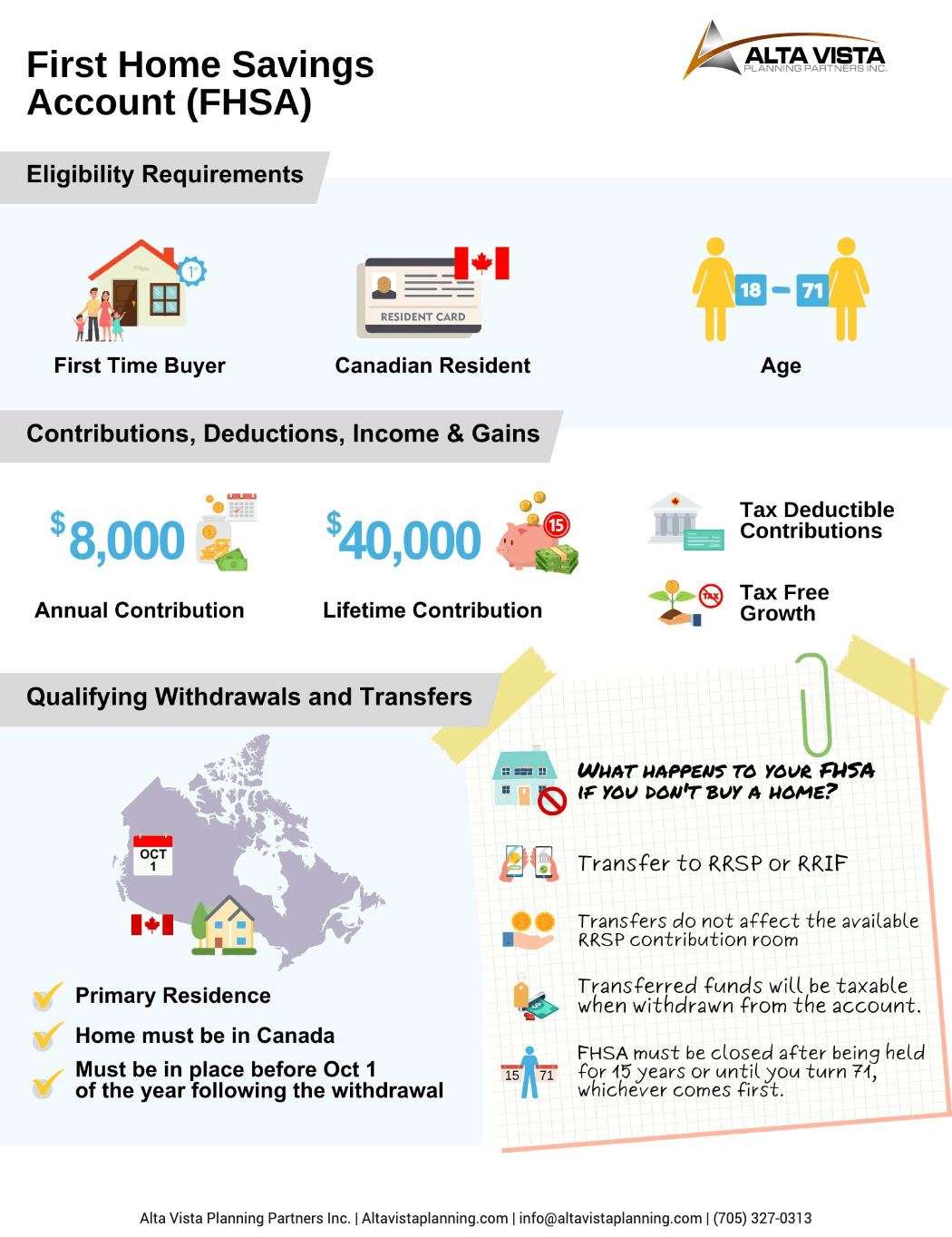
Beginning January 1, 2027, all registered plans—RRSPs, TFSAs, FHSAs, RDSPs, and RESPs—will follow a single harmonized list of qualified investments. Small-business shares will no longer qualify for new contributions, though existing holdings will remain grandfathered. The update simplifies compliance and clarifies which assets can be held in registered accounts.

Business and Investment Incentives

For business owners, Budget 2025 provides opportunities to reinvest, innovate, and modernize operations, with emphasis on manufacturing, research, and clean technology.

Immediate Expensing for Manufacturing and Processing Buildings

Businesses can now claim a 100 percent deduction for eligible manufacturing and processing buildings acquired after Budget Day and available for use before 2030. This full write-off improves cash flow and encourages earlier expansion. The benefit will gradually phase out after 2033.

Scientific Research and Experimental Development (SR&ED)

The refundable SR&ED tax credit limit has increased from $3 million to $6 million per year, effective for taxation years beginning after December 16, 2024. This expansion strengthens support for small and medium-sized Canadian businesses investing in innovation and technology.

Tax Deferral Through Tiered Corporate Structures

To prevent deferrals of tax on investment income, new rules will suspend dividend refunds for affiliated corporations with mismatched fiscal year-ends. This ensures consistent taxation within corporate groups and aligns refund timing with income recognition.

Agricultural Co-operatives

The tax deferral for patronage dividends paid in shares has been extended to December 31, 2030, continuing to support agricultural co-operatives and their members.

Clean Technology and Clean Electricity Investment Credits

Clean-technology and clean-electricity incentives have been expanded to include additional critical minerals—such as antimony, gallium, germanium, indium, and scandium—used in advanced manufacturing and renewable energy production. The Canada Growth Fund can now invest in qualifying projects without reducing the amount of credit companies can claim, keeping the incentive structure attractive for green investment.

Canadian Entrepreneurs’ Incentive

The government has confirmed it will not proceed with the previously proposed Canadian Entrepreneurs’ Incentive. The existing Lifetime Capital Gains Exemption remains unchanged and continues to apply to the sale of qualified small-business shares.

Tax Simplification and Repealed Measures

To simplify administration and reduce complexity, two taxes are being repealed:

– Underused Housing Tax, beginning in 2025

– Luxury Tax on aircraft and vessels for purchases made after November 4, 2025

In addition, the Canada Carbon Rebate will issue its final household payment in April 2025, with no rebates available for returns filed after October 30, 2026. These changes are meant to streamline compliance and eliminate programs that were costly to administer.

Government Direction and Spending Priorities

Beyond taxation, the budget sets out the government’s broader policy priorities.

Downsizing Government: A comprehensive efficiency review is underway to eliminate duplication across departments and generate long-term savings.

Cuts to Immigration: To ease pressure on housing and infrastructure, temporary-resident levels will be reduced by about 20 percent over two years, while maintaining pathways for essential workers.

Defence Spending: Canada will invest an additional $7 billion over five years to strengthen NATO participation, Arctic defence, and cybersecurity. By 2030, defence spending is expected to reach 1.8 percent of GDP.

Oil and Gas Emission Cap: A phased-in cap starting in 2026 will allow companies to meet targets through carbon-capture and clean-tech investments rather than penalties.

Final Thoughts

For individuals, the most relevant updates include GST relief for first-time home buyers, improved benefit access, and continued tax relief for caregivers and support workers. For business owners, the focus remains on productivity—through immediate expensing, expanded SR&ED credits, and clean-tech investment incentives. For families using trusts or inter-generational structures, the clarified 21-year rule reinforces transparency in estate planning.

If you’d like to review what these changes mean for you or your business, please get in touch. We can look at your goals and make sure you’re well prepared for the year ahead.

Leaving Your Employer – Should You Take Your Pension?

When you leave an employer, one of the biggest financial decisions you may face is what to do with your pension. For many employees and executives, the pension represents years of savings and future income security. But when offered the option to take the value of the pension today, it can feel overwhelming to decide whether to leave it where it is or transfer it out. Let’s walk through the key considerations so you can make an informed choice.

What is a Pension Plan?

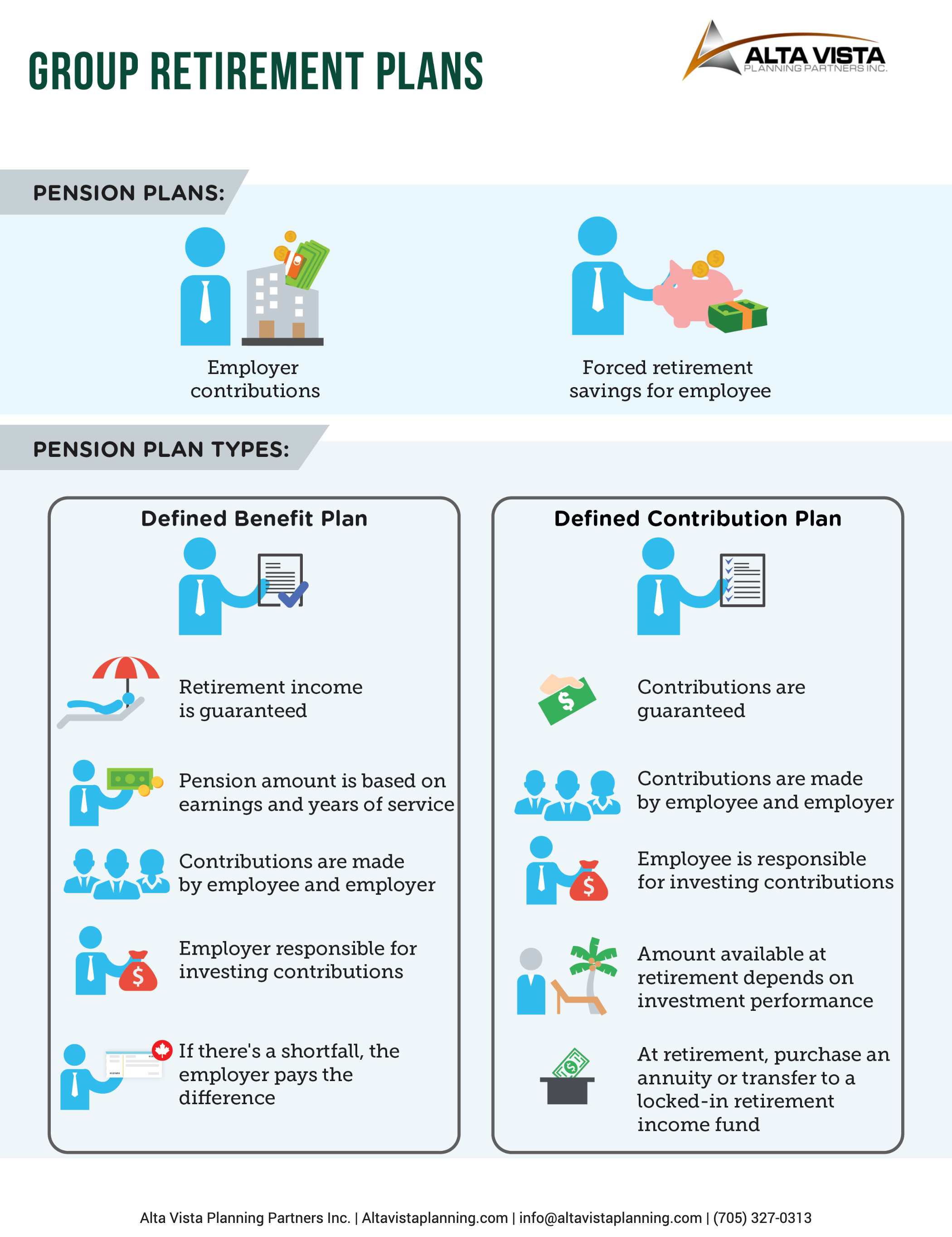
A pension is a retirement savings arrangement set up by your employer. There are two main types: defined contribution and defined benefit. With a defined contribution plan, both you and your employer contribute money, and the balance depends on investment performance. With a defined benefit plan, your future income is pre-determined based on things like your years of service and average salary. Many Canadians leaving an employer with a defined benefit plan will be faced with the decision of whether to keep the pension or “commute” (cash out) its value.

Defined benefit pensions are attractive because they provide predictable lifetime income. This predictability can give peace of mind. On the other hand, defined contribution plans shift the investment risk to you, since your eventual income depends on how the funds grow over time.

Know Your Pension Options

When you leave your employer, your options depend on the type of plan. With a defined contribution plan, you’ll typically move the money into your own locked-in retirement account or buy an annuity that provides income for life. With a defined benefit plan, you can either:

  • Leave the pension with your former employer, collecting a guaranteed monthly payment at retirement.
  • Take the commuted value (the lump sum representing the present value of future payments) and transfer it to a locked-in retirement account.

Both options have trade-offs. Leaving the pension may give you peace of mind with guaranteed income for life. Commuting gives you control over the investments but shifts the risk to you. The decision also has implications for your family. Unlike a commuted pension, which can be passed on to heirs, most defined benefit pensions end upon death, except for survivor benefits that may be included.

Key Considerations Before Deciding

This decision is highly personal and depends on several factors:

  • Longevity: If you expect to live longer than average, staying in the pension may make sense because it ensures you don’t outlive your money.
  • Stability of the employer’s plan: Some pensions are well-funded, while others face challenges. If you have doubts about whether the company will remain strong enough to pay pensions in the future, taking the commuted value may provide more security.
  • Need for predictable income: A pension offers steady, reliable payments. If you’d feel more comfortable knowing exactly what you’ll receive each month, this could be valuable.
  • Market risk: If you commute your pension, your retirement income will depend on market returns. That could mean growth, but also the possibility of running out of money if markets perform poorly or if withdrawals are too high.
  • Estate planning: Pensions typically stop at death (with limited survivor benefits). If leaving money to your heirs is important, a commuted pension gives more flexibility.

It’s important to weigh these factors against your lifestyle, your other sources of income (such as CPP, OAS, RRSPs, or TFSAs), and your comfort with risk.

How Much Can You Transfer?

When you choose to take the commuted value, the Income Tax Act sets a maximum amount that can be transferred tax-deferred into a locked-in retirement account (LIRA). The formula depends on your annual pension amount and a factor based on your age. Anything above this maximum must be taken as taxable income in the year you leave your employer. This can create a significant tax bill. Planning ahead with strategies like using RRSP room or your spouse’s RRSP can help soften the tax hit. In some cases, contributing to a Tax-Free Savings Account (TFSA) may also be beneficial.

Unlocking Pension Money

Funds in a LIRA remain locked until retirement, but there are exceptions. Depending on your province, you may be able to unlock money earlier if you face financial hardship, move out of the country, or have a shortened life expectancy. At retirement age, a LIRA typically converts into a Life Income Fund (LIF), which provides a stream of income but still follows government rules for minimum and maximum withdrawals.
Some provinces allow partial unlocking of a LIRA once you reach a certain age, which can improve flexibility.

Additional Factors to Keep in Mind

There are also tax and income-splitting considerations. Pension income can often be split with a spouse, reducing household taxes. However, this benefit works differently depending on whether you keep the pension or commute it. If you keep your pension, income splitting is available immediately when payments begin. If you commute and move the funds into a LIF or RRIF, income splitting usually becomes available only at age 65.

Indexing and bridge benefits are also worth reviewing. Some pensions offer cost-of-living increases or bridge payments until government benefits like CPP or OAS begin. These can significantly impact the overall value of staying in the pension.

Final Thoughts

Deciding what to do with your pension when leaving an employer is one of the most important retirement choices you’ll face. Keeping the pension can give you guaranteed income for life, while commuting it offers flexibility and control, but with added risks and potential tax costs. The right decision depends on your personal goals, health, family needs, and comfort with investment risk.

If you’re unsure, take the time to speak with us before making your decision. A pension may be one of your largest assets, and the choice you make could shape your retirement for decades.